What Are Quakers in Roasted Coffee? Causes and Removal
Quakers are the pale beans left after roasting. Learn why some coffees have more of them, why you can't roast them out, and how roasters remove them.
By Julian Mamaj · Nov 17, 2026 · 6 min read
A quaker is a coffee bean that stays pale after roasting because the seed never developed enough sugar to brown, and it adds a papery, peanut-like taste to the cup.
If you roast coffee, you didn't need that sentence. You know exactly what we're talking about: the few tan beans in the cooling tray, in a batch that otherwise came out just right. You have picked them out by hand. You have probably also wondered why one coffee is full of them and the next has almost none.
So this article skips the introduction and goes to the why. Why quakers are there, why you can't roast them away, and what works to get them out before the coffee is packed.
Why do some coffees have more quakers than others?
Quakers are decided on the farm, months before the coffee reaches you.
Ripeness is the obvious part. Cherries on the same branch ripen weeks apart, so on any picking day a tree carries green, yellow and red fruit together. Selective pickers take the red and come back later for the rest. Strip-picking and mechanical harvesting take the whole branch, unripe fruit included.
The second cause surprises people: a ripe-looking cherry can still produce a quaker. A tree that ran short of water or nutrients while the fruit was filling can turn its cherries red without finishing the seed inside. The picker did everything right and the bean still roasts pale. This is why even a carefully picked lot can turn up a few.
Then there is processing. Washed coffee goes through water and a pulper, and each stage gives the mill a chance to pull out underdeveloped fruit and light seeds. Natural coffee is dried whole, so more of the unripe fruit stays with the lot. If your naturals keep you busier at the sorting table than your washed coffees, this is the reason.
After that, the density tables and color sorters at the dry mill catch some more. How much sorting a lot received is part of what you pay for.
Why don't quakers show up until the roast?
Because the difference is inside the seed. An immature bean can have the same size and shape as its neighbors, and nearly the same color. Some give themselves away in the green: a paler color, a curled shape, silverskin that clings. Many don't. And not every bean that looks immature goes on to become a quaker.
The practical consequence is that a green defect count tells you less about quakers than you would hope. The reliable test is to roast a sample and look.
Why do quakers stay pale, and why can't you roast them out?
Browning runs on sugar. Sucrose caramelizes, and sugars react with amino acids in the Maillard reaction. Most of the color, sweetness and aroma of roasted coffee comes out of those two processes.
A seed that never matured has very little sugar to work with. It sits in the same drum and takes the same heat for the same time, with almost nothing to brown. So it comes out tan, and it tastes of what is left: paper, peanut skins, dry cereal.
This also explains something most roasters have tried at least once. You can't fix quakers with the profile. Push the roast further and everything gets darker, quakers included, but they stay a step behind and keep their flavor. In a dark roast they are harder to see. They are still in the bag.
The reverse case is different. If the whole batch is pale and tastes grassy or bready, that is the roast, and the profile is the right place to look. Quakers are the few beans that stand out in a batch that otherwise came out right.
How much do a few quakers matter?
More than their number suggests. The traditional SCA grading protocol shows how strict the trade is: a 100-gram roasted sample of specialty-grade coffee may contain no quakers at all, and premium grade may contain up to three.
That is a standard for a lab sample. Your production standard is yours to set, and it depends on how the coffee will be brewed. One quaker gets lost in a large batch brew far more easily than in a single espresso dose.
A good way to find your own limit is to taste it. Cup a coffee as it comes off the roaster, then cup it again with the quakers picked out. The difference tells you how much sorting that coffee is worth.
How do you remove quakers from roasted coffee?
Roasted coffee defect removal has two parts: buying coffee with fewer quakers in it, and taking out the ones that arrive anyway.
Start with the green coffee
- Ask how the lot was picked and how it was sorted at the mill. A good importer knows.
- Roast every arrival sample and count the quakers in 100 grams. Keep the number in your lot notes. After a few months you will see which origins, processes and suppliers cost you sorting time.
- Expect more quakers from naturals and from strip-picked or mechanically harvested lots, and allow for that when you compare prices.
Sorting green coffee by hand helps with other coffee defects. It does little for quakers, because most of them look fine until they are roasted.
Then sort after the roast
Hand sorting is where most roasteries start. Someone stands at the cooling tray or a sorting table and picks out the pale beans. For small batches it works. It is also slow, tiring work, and it gets less accurate as the batches get bigger and the day gets longer.
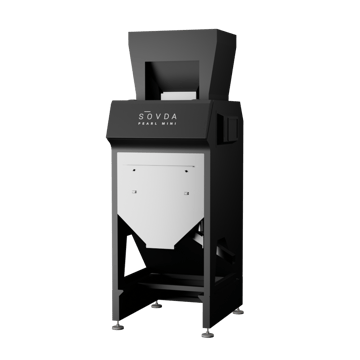
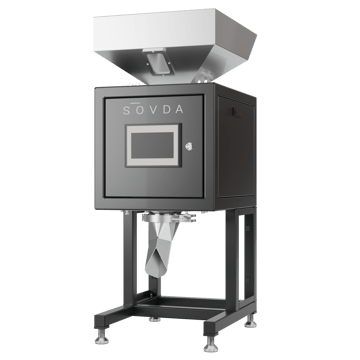
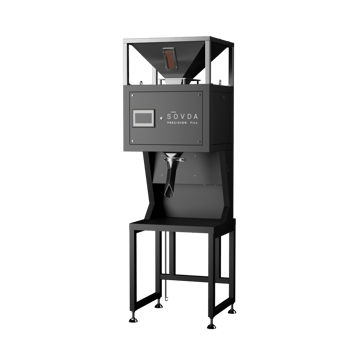
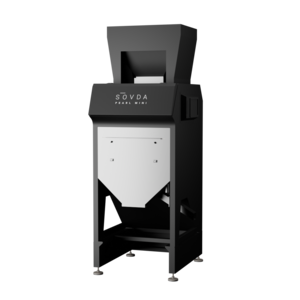
Optical color sorting does the same job by machine. Each bean passes a camera, and the ones outside the color range you set are removed from the stream. The standard is the same for the first kilo of the day and the last. We explain the process step by step in How Coffee Color Sorting Removes Quakers.
Whichever way you sort, weigh what you take out. Those beans are coffee you bought, roasted and can't sell. A lot that looked cheap on the offer sheet can end up costing more than a cleaner one. It is also a number your importer should hear.
Frequently asked questions
What is a quaker in coffee?
A quaker is a coffee bean that stays pale after roasting. The seed did not develop enough sugar to brown, usually because the cherry was picked unripe, and it adds a papery, peanut-like taste to the cup.
What causes quakers in coffee?
Mostly unripe cherries that were picked together with ripe ones. Trees under stress from drought or poor nutrition can also produce underdeveloped seeds inside ripe-looking cherries.
Are quakers bad for you?
No. Quakers are a flavor problem, not a safety problem. They make a coffee taste drier and less sweet.
Can you remove quakers before roasting?
Only partly. Mills remove many underdeveloped seeds during processing and sorting, but the ones that remain usually look normal in green coffee. They only show after the roast.
Does roasting darker get rid of quakers?
No. A darker roast makes quakers harder to see, but they are still there, and the coffee still loses sweetness.
How many quakers are acceptable in specialty coffee?
The traditional SCA standard is zero quakers in a 100-gram roasted sample for specialty grade and up to three for premium grade. For daily production, roasters set their own limit based on taste and brew method.
See how it works →
Get the next lesson
One short email a week on running a leaner roastery.
Protected by reCAPTCHA. Google's Privacy Policy and Terms of Service apply.